
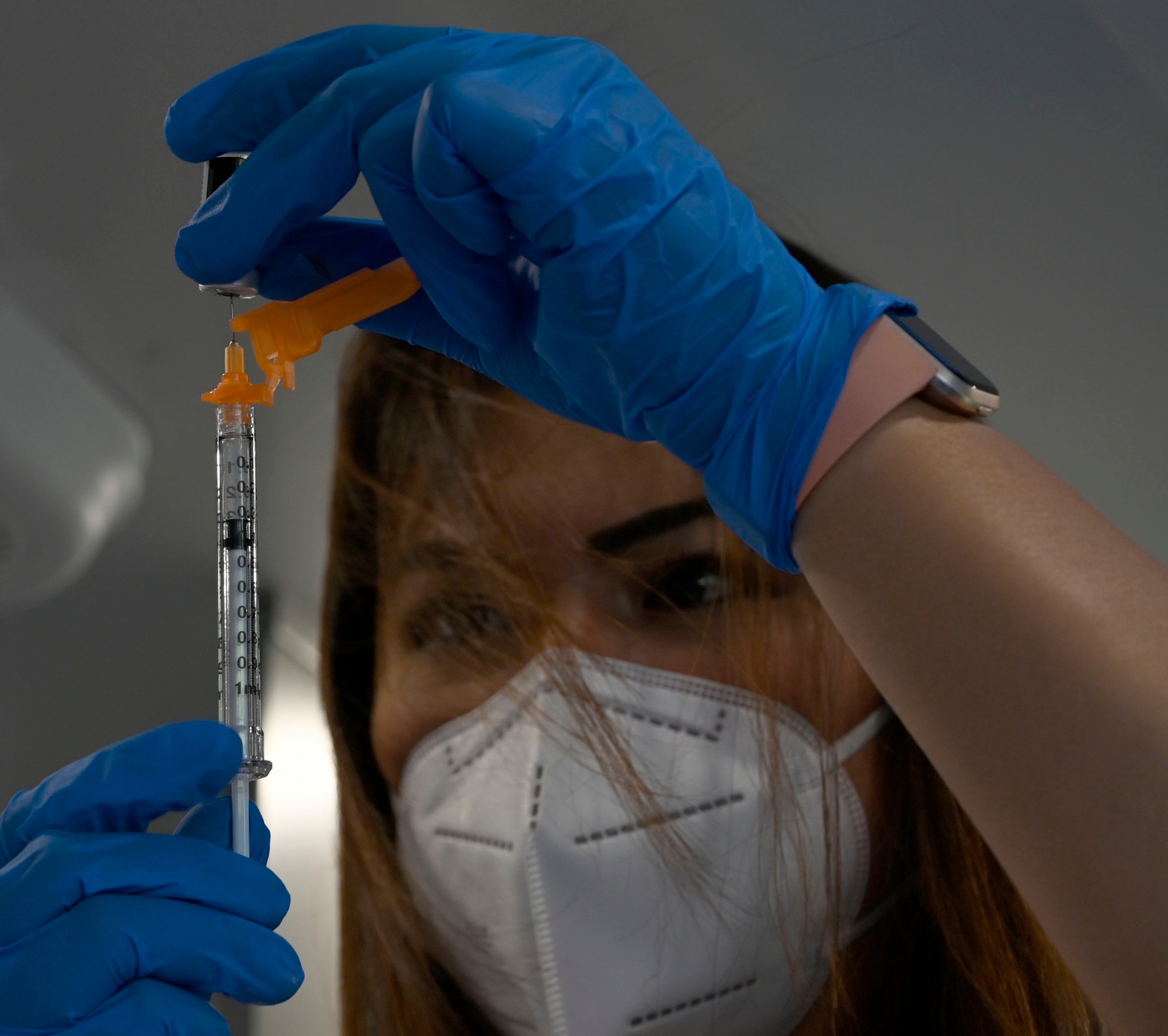

Los Angeles County voters are being asked to approve Measure ER, an additional half-cent sales tax to help pay for healthcare services in the county in response to federal funding cuts.
We won’t know until after Tuesday’s primary election what the outcome will be. But even if the measure is approved, the tax increase wouldn’t be able to take effect without additional legislative action.
That’s where Assembly Bill 1768 comes in.
Authored by Assemblymember Isaac Bryan, D-Los Angeles, the bill would pave the way for L.A. County to impose the additional sales tax by allowing it to exceed a cap set by the state.
Existing California law limits local sales taxes to a cumulative rate of 2%. So while there could be multiple sales taxes, also referred to as district taxes, within a county – issued by a county, city or local district, or a combination of these entities – those tax rates, taken together, can’t add up to more than 2%.
Any additional tax that would cause a county to exceed this 2% cap would require permission from the state.
AB 1768 would grant that permission to L.A. County so that it can implement Measure ER should voters approve it.
The bill recently passed out of the state legislature but is awaiting Gov. Gavin Newsom’s signature.
Newsom previously signed a similar bill that the legislature sent to him to accommodate L.A. County’s Measure A, a half-cent sales tax to fund homeless services which voters approved in 2024.
This latest measure, Measure ER, is a proposed half-cent general sales tax that would, starting Oct. 1, bump up L.A. County’s sales tax rate from 9.75% to 10.25% for five years. (The county’s current tax rate is a combination of the state’s 7.25% sales tax plus other local district taxes.)
And because of other local taxes already in place in some areas, some cities would see their cumulative sales tax rates increase to 11% or higher under Measure ER. Lancaster and Palmdale already have sales tax rates of 11.25% – the highest in the county.
Supporters say Measure ER, which is projected to generate about $1 billion annually, would raise money for healthcare services in L.A. County that have been cut or are at risk of being cut due to federal funding cuts stemming from President Donald Trump’s so-called “Big Beautiful Bill” last year.
Some health service providers say the county is facing a loss of $2.4 billion over three years as a result of these federal cuts, which has led to or will result in hundreds of thousands of low-income residents losing healthcare coverage, impact the ability of clinics and private healthcare groups to provide services and potentially cause tens of thousands of county workers to be laid off. Several public health clinics have already shuttered, they noted.
But critics of Measure ER – which includes L.A. County Supervisor Kathryn Barger, the lone member of the Board of Supervisors to oppose it, as well as the Howard Jarvis Taxpayers Association, the Los Angeles County Taxpayers Association and many city officials – say a new tax will further burden county residents who already pay some of the highest taxes in the country. What’s more, they say, those who would most feel the pain of the additional tax would be low-income residents.
Measure ER needs a simple majority of “yes” votes to pass.


